Your vehicle's suspension system is a complex network of components working together to deliver a smooth, safe, and controlled ride. Among these, the strut mount (also called top mount) is one of the most critical yet often overlooked parts. When a strut mount begins to fail, it doesn't just affect ride comfort — it compromises vehicle safety, tire longevity, and steering precision.
In this comprehensive guide, we walk through the 7 most common symptoms of strut mount failure, explain how to diagnose the problem, and provide actionable advice on replacement — whether you're a vehicle owner, fleet manager, or automotive workshop professional.
What Is a Strut Mount (Top Mount)?
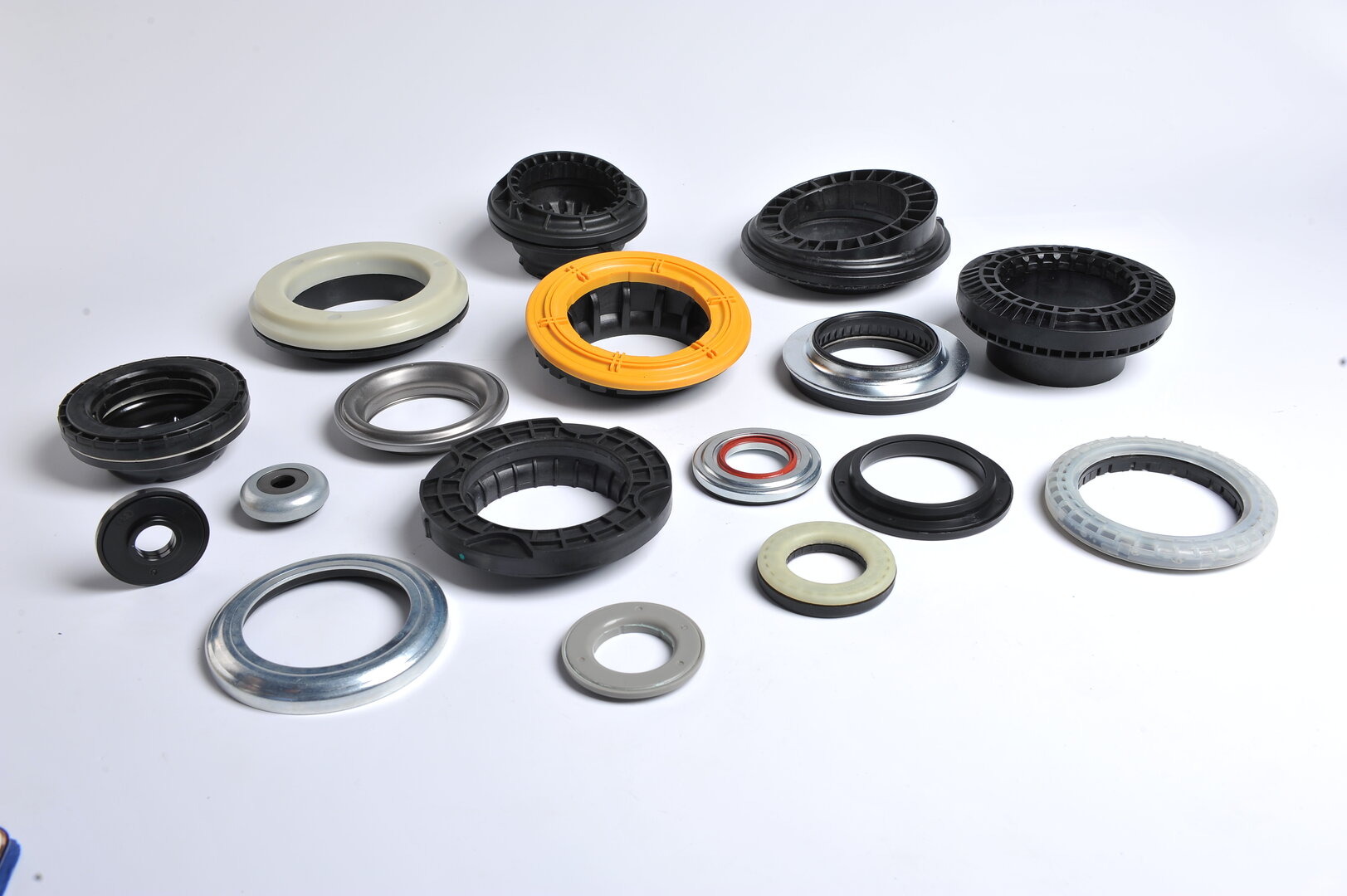
The strut mount is a structural component located at the top of the MacPherson strut assembly, connecting the shock absorber to the vehicle's chassis. It consists of a rubber isolator bonded to a steel core, and in many designs, it incorporates an integrated bearing (strut bearing) that allows the strut to rotate with the steering axis.
Key functions of the strut mount include:
- Load bearing: Transfers the vehicle's weight from the suspension to the body
- Vibration damping: Absorbs high-frequency road vibrations before they reach the cabin
- Noise insulation: Prevents metal-to-metal contact that would generate harsh noise
- Steering articulation: Enables smooth rotation during steering (when integrated with a bearing)
- Alignment maintenance: Helps maintain proper suspension geometry
7 Warning Signs of a Failing Strut Mount
1Clunking or Knocking Noises Over Bumps
The most common and noticeable symptom of a bad strut mount is a clunking, knocking, or rattling sound when driving over speed bumps, potholes, or uneven road surfaces. This noise occurs because the rubber isolator has deteriorated or separated from the metal core, allowing metal-to-metal contact between the strut piston rod and the chassis. The sound is typically more pronounced at low speeds over sharp bumps.
2Excessive Vibration in the Steering Wheel
A worn strut mount loses its ability to dampen vibrations. Drivers may notice increased vibration or shuddering through the steering wheel, especially when driving on rough roads or at highway speeds. Unlike tire imbalance vibrations (which are consistent at specific speeds), strut mount vibrations are irregular and linked to road surface conditions.
3Uneven or Premature Tire Wear
Damaged strut mounts allow excessive vertical movement and angular misalignment of the strut assembly. This causes uneven contact pressure across the tire tread, leading to cupping, scalloping, or accelerated edge wear. If your tires are wearing unevenly despite regular rotation and alignment, a failing top mount could be the root cause.
4Poor Alignment and Vehicle Pulling
As the strut mount deteriorates, the suspension geometry shifts. The vehicle may pull to one side during straight-line driving or require constant steering correction. Even after a professional alignment, the problem may persist if the worn mount cannot maintain the correct camber or caster angles. A bounce test — pressing down on the vehicle's front end and releasing — can reveal excessive rebound movement.
5Visible Rubber Cracking or Deterioration
A visual inspection can often confirm strut mount failure. Lift the hood and examine the top of the strut tower. Look for cracks, dry rot, bulging, or separation of the rubber from the metal housing. If you see excessive rust around the mount area or any signs of fluid leakage from the strut, the mount has likely reached end of life. In severe cases, the rubber may have completely disintegrated.
6Reduced Steering Responsiveness
A failing strut mount introduces play and compliance into the steering system. Drivers may notice a vague, loose, or overly light steering feel, particularly during cornering or lane changes. The vehicle may feel less planted and require more steering input than normal. This symptom is especially dangerous in emergency maneuvers where precise steering response is critical.
7Abnormal Gap Between Mount and Body
This is a telltale sign of severe mount failure. With the vehicle on level ground, inspect the gap between the strut mount and the body panel. A gap larger than 3-5mm (1/8 to 3/16 inch) indicates that the rubber has collapsed or the mount has sunk. You may also notice one side of the vehicle sitting slightly lower than the other. In extreme cases, the strut piston rod can punch through the mount entirely, resulting in complete suspension failure.
How to Diagnose Strut Mount Failure
A professional diagnosis should include the following checks:
| Diagnosis Method | What to Look For | Difficulty |
|---|---|---|
| Visual Inspection | Cracked rubber, rust, gap > 3mm, fluid leakage | Easy |
| Bounce Test | Excessive rebound (more than 2 bounces), clunking sound | Easy |
| Steering Test | Play in steering, knocking at full lock | Moderate |
| Road Test | Clunking over bumps, vibration, pulling | Moderate |
| Alignment Check | Camber/caster out of spec despite adjustment | Professional |
| Lift Inspection | Excessive strut movement when lifted, mount separation | Professional |
Replacement Considerations: OEM vs Aftermarket
When replacing failed strut mounts, the OEM vs aftermarket decision is critical. Here's what to consider:
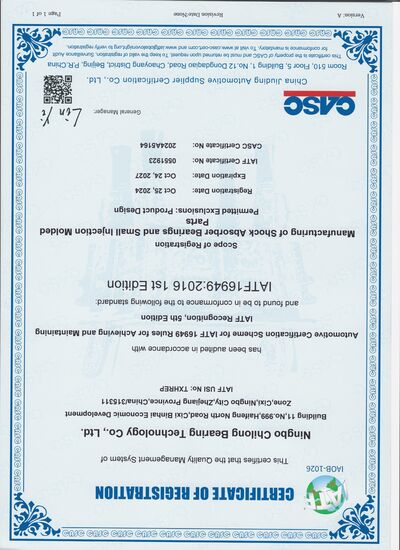
- OEM-quality aftermarket: Many top-tier aftermarket manufacturers produce mounts that meet or exceed OEM specifications. Look for IATF 16949 certification as a baseline quality indicator.
- Rubber composition: Natural rubber (NR) provides superior vibration damping and durability compared to synthetic rubber blends used in budget mounts.
- Steel core integrity: A high-strength steel core with proper anti-corrosion coating ensures long service life, especially in wet or salt-prone environments.
- Integrated bearing quality: If the mount includes a bearing, it should be a sealed, pre-lubricated unit with smooth rotation and minimal play.
- Price vs value: Premium mounts cost 30-50% more than budget options but typically last 2-3 times longer.
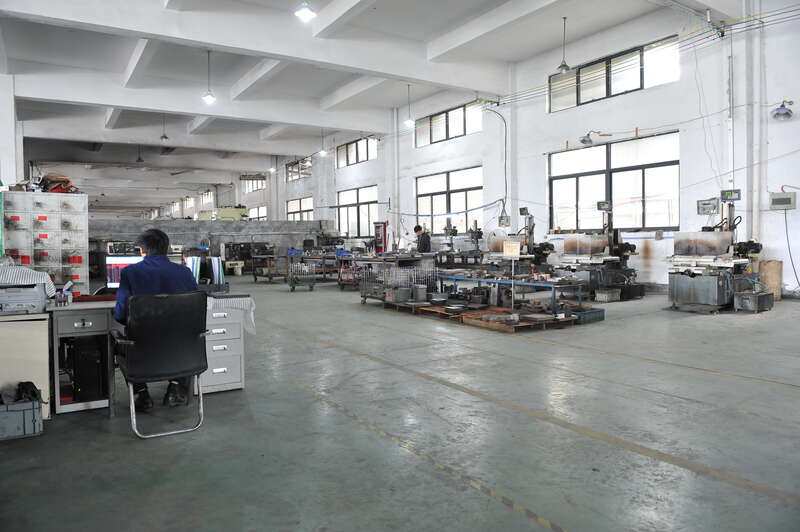
Chilong Bearing Technology manufactures top mounts using high-grade NR rubber compounds bonded to precision-machined steel cores. Every unit is tested for load capacity, rotational smoothness, and fatigue resistance under our IATF 16949 quality management system. Our products are available for over 200 vehicle models across passenger cars, SUVs, and light commercial vehicles.
Estimated Replacement Cost
Strut mount replacement costs vary by vehicle type and labor rates:
| Component | Parts Cost (each) | Labor (per side) | Total (both sides) |
|---|---|---|---|
| Budget aftermarket mount | $15 - $30 | $80 - $150 | $190 - $360 |
| Premium aftermarket mount | $40 - $80 | $80 - $150 | $240 - $460 |
| OEM dealer mount | $60 - $120 | $100 - $200 | $320 - $640 |
Note: Costs vary significantly by vehicle make, model, and geographic region. Luxury and European vehicles typically command higher parts and labor costs.
Should You Replace Both Sides at the Same Time?
Yes — always replace strut mounts in pairs. Here's why:
- Balanced performance: An old mount on one side and a new mount on the other creates asymmetric suspension behavior, leading to uneven handling and tire wear.
- Predictable failure cycles: Both mounts experience similar mileage and environmental exposure. If one has failed, the other is close behind.
- Cost efficiency: Labor costs for doing both sides simultaneously are significantly lower than returning for a second repair.
- Alignment efficiency: A single alignment after replacing both sides saves time and money compared to two separate alignments.
Industry best practice: When replacing struts/shock absorbers, always replace the mounts, bump stops, and dust covers simultaneously. This comprehensive approach ensures optimal suspension performance and extends the service life of the entire assembly.

Why Choose Chilong for Your Top Mount Needs?
As an IATF 16949 certified manufacturer with over a decade of experience, Ningbo Chilong Bearing Technology Co., Ltd. brings unmatched expertise to every top mount we produce:
- Premium NR rubber compounds — formulated for superior elasticity, temperature resistance, and long-term durability
- High-strength steel cores — precision-stamped and surface-treated for corrosion resistance
- Integrated bearing options — sealed, pre-lubricated bearings with smooth rotational performance
- IATF 16949 certified quality system — from raw material inspection to final product testing
- OEM/ODM capabilities — custom designs available for volume orders with short lead times
- Global shipping — serving clients in North America, Europe, Southeast Asia, and the Middle East
Conclusion
Strut mount failure is not a problem to ignore. From subtle clunking noises to dangerous loss of steering control, the warning signs are clear — and the consequences of delayed replacement can include costly tire damage, compromised alignment, and unsafe driving conditions.
By understanding these 7 strut mount failure symptoms and acting promptly at the first sign of trouble, you protect both your vehicle and your investment. Whether you're managing a personal vehicle or a fleet, choosing high-quality replacement parts from a trusted manufacturer like Chilong Bearing Technology ensures safety, performance, and long-term reliability.
Need Expert Advice on Strut Mount Replacement?
Our team of suspension specialists can help you select the right top mount for your application. Contact us for technical support, OEM/ODM inquiries, or bulk pricing.
Contact Our Team